
1. What is A-Pot: A Collaboration Between Glass and Terracotta
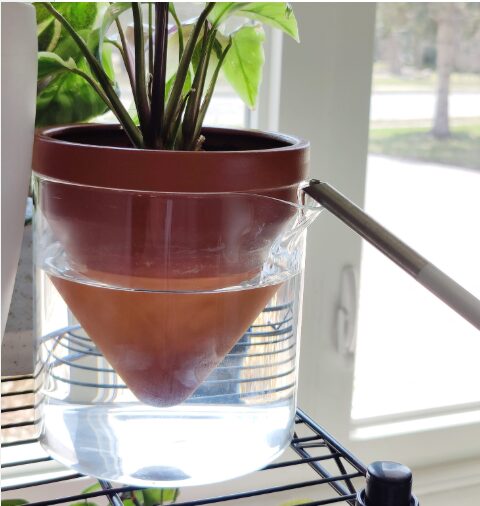
A-Pot is an indoor self-watering flowerpot consisting of a transparent glass water tank and an unglazed terracotta inner pot.
The glass stores water and “displays” the water level, while the terracotta provides slow, gentle watering to the roots. Together, they resemble a small tabletop item rather than a typical flowerpot.
For those with limited time or who care for many plants, its design goal is clear: reduce the burden of frequent watering without sacrificing the delicate care of humidity-sensitive plants.
2. Self-Watering Principle: Let Terracotta Manage Your Watering
1. Capillary Action of Terracotta
The core of A-Pot lies in its unglazed terracotta inner pot.
- The terracotta itself is porous, and water in the glass water tank is slowly absorbed into the terracotta walls upon contact with the soil.
- Plant roots absorb water from the potting soil, causing it to gradually dry out. The drier side will then draw water from the terracotta.
This creates a passive, slow watering cycle: not a timed “filling,” but rather a fine-tuning based on the plant’s water consumption.
2. From “Daily Watering” to “Checking the Water Level”
With this system, the soil maintains a constant level of moisture for a longer period, rather than “watering thoroughly only when it’s completely dry.”
Users don’t need to repeatedly test the soil; they only need to occasionally glance at the water level in the glass tank to decide whether to add more water.

3. Suitable and Less Suitable Plant Types
1. Varieties that Prefer “Evenly Moisture”
A-Pot excels at caring for foliage plants that are sensitive to dryness and sudden temperature changes:
- Various ferns, especially maidenhair ferns, which are extremely sensitive to dryness.
- Moisture-loving variegated varieties, such as various types of Calathea (the article demonstrates planting Calathea ‘Yellow Fusion’).
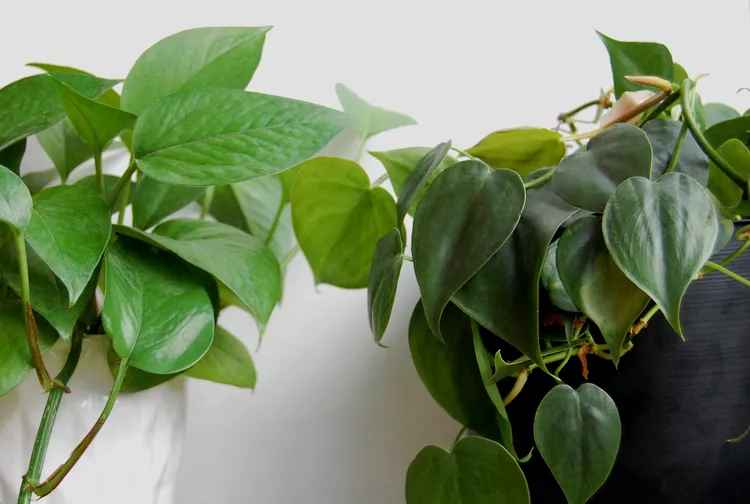
- Common indoor foliage plants, such as Philodendron heartleaf, Epipremnum aureum, and Begonia.
Continuous and moderate humidity often results in more stable leaf color and new leaf quality for these plants. The Calathea in the example, where the purple on the underside of new leaves became more intense after using A-Pot, is a typical example.
2. Special Uses for Succulents and Cacti
For succulents and cacti that only need watering when completely dry, A-Pot can still be used, but in a slightly different way:
- Leave the water tank completely empty after watering, wait for the potting soil to dry completely, and then add water all at once.
- This utilizes its stable structure and aesthetic appearance without excessive humidity.
In other words, A-Pot is not prohibited for succulents, but the water tank should not be kept full for extended periods.
4. Planting and Usage Experience: From Potting to Observing New Leaves
1. Potting Process
To use, simply plant your favorite indoor plant (along with the substrate) in the terracotta pot, then place the terracotta pot securely into the glass outer shell, and finally pour water into the glass part.
No additional rope core or cotton string is needed for watering. The structure is simpler than traditional self-watering pots, reducing the hassle of cleaning and replacing parts.
2. Changes in New Leaves: Enhanced Details from Continuous Humidity
In the demonstration planting, after Calathea ‘Yellow Fusion’ was moved into the A-Pot, the purple on the underside of the new leaves deepened significantly in just three days.
Compared to the traditional “water only when dry” watering method, this more stable humidity results in less fluctuation in the plant’s water pressure, and the color performance is closer to the desired value.
5. Advantages and Applicable Scenarios
1. Unity of Visual Appeal and Function
The A-Pot’s glass and terracotta combination makes it more like a home decor item than a dedicated planter, whether placed on a bookshelf, coffee table, or windowsill.
The transparent water tank makes the remaining water level readily apparent, and watering is clean and efficient, eliminating the need to lift the pot and wet the table.
2. Practical Help for Beginners and Plant Keepers
- For beginners who often struggle with watering, it provides a more tolerant watering buffer.
- For experienced growers with many plants who can’t manage them all, it “manages” some of the more frequently watered varieties.
In trial reports, the Calathea planted in the A-Pot performed well for several weeks, showing stable growth and vibrant leaf color, indicating that its self-watering mechanism is reliable in practical use.
6. An Indoor Flower Pot That Understands “Attention to Detail”
If an ordinary flower pot is merely a container, then the A-Pot is more like having the “watering rhythm” built into the object: through the slow release of terracotta soil and the visible water reservoir, it subtly softens the most difficult aspects of daily plant care.
For those who enjoy foliage but don’t want to be bound by watering frequency, it’s a beautiful and practical tool—quietly standing in a corner, providing stable humidity and a clear water level, taking care of your plant’s daily needs.