
1. Say Goodbye to “Gardening by Chance”: Vegetable Growing is a Learnable Skill
A “green thumb” isn’t innate magic, but rather experience accumulated through continuous practice and trial and error.
If you view learning to grow vegetables as a path, starting with the simplest herbs, progressing through leafy greens, root vegetables, and finally fruiting plants, you’ll see clear progress at each step, naturally building confidence.
This article breaks down the entire beginner’s process into four stages, increasing in difficulty: first, grow herbs; then, leafy greens; then, try root vegetables; and finally, challenge yourself with fruiting plants like tomatoes and peppers.
2. Step One: Starting with Herbs—The Gentlest Introductory Teacher
1. Why Start with Herbs?
Hersbane is undemanding, quick to produce results, and requires little space, making it the perfect plant for beginners to “get lucky.”
- No need for strong sunlight or fertile soil; they can thrive on balconies, windowsills, or even indoors.
- They can be harvested repeatedly; a few sprigs of basil, mint, or rosemary can repeatedly grace your table.
These plants respond quickly, showing noticeable changes within weeks, making them ideal for building confidence.
2. Ideal Setup for Herb Cultivation
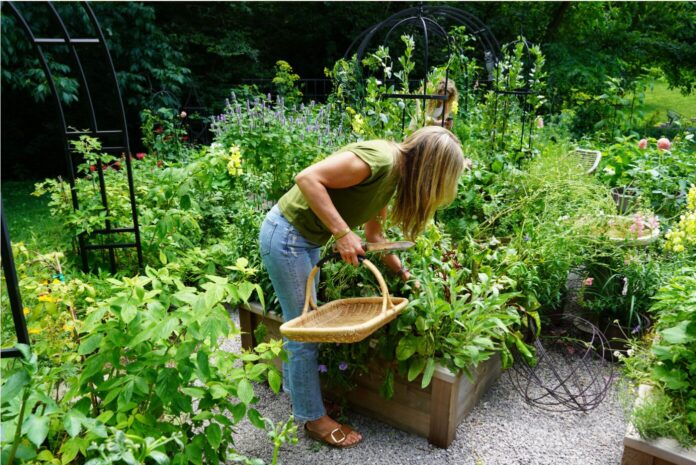
- Container: A large planter box, planting trough, or small raised bed with drainage holes. Plant multiple herbs in the same container for easy management.
- Soil: Loose, well-draining sandy loam. A mixture of garden soil (or potting soil) + coarse sand + compost is suitable.
- Light: Approximately 4–8 hours of sunlight per day is sufficient; windowsills and balconies are suitable.
- Water: Keep the soil slightly moist but not waterlogged; it’s better to err on the side of slight dryness than prolonged waterlogging.
You can sow from seed or purchase ready-grown seedlings to begin the “grow and harvest as you go” phase.

3. Step Two: Leafy Greens Take Center Stage – Turning Your Salad into a Whole “Leaf Carpet”
1. Advantages of Leafy Greens
Once the herbs have grown sufficiently, you can increase the difficulty slightly and move on to leafy greens like lettuce and spinach.
- Only leaves are harvested; there’s no need to wait for fruits or tubers to develop, making the growth cycle much shorter than many vegetables.
- Shallow root systems require little space; a balcony box, low seedbed, or medium-sized flowerpot can easily create a “salad garden.”
- Many leafy greens can “regenerate after being cut,” allowing for weekly harvests.
At this stage, beginners can learn basic skills such as watering, observing leaf condition, and handling basic pests.
2. Growing Conditions for Leafy Greens
- Light: At least 4 hours of direct sunlight daily; the better the light, the thicker the leaves.
- Container: A planting box, seedbed, or flowerpot at least 15 cm high.
- Soil: Loose sandy loam or relatively pure compost soil is suitable. The key is fertility, good water retention, and good drainage.
- Moisture: A stable water source is essential, maintaining even moisture and preventing sudden changes in humidity.
- Temperature: A cool environment is most suitable (approximately 2–18℃). Excessive heat can lead to bolting and a decline in taste.
At this stage, more pests are often encountered, requiring learning how to organically control them using physical barriers, beneficial insects, or gentle methods.
4. Step Three: Root Vegetable Challenge – Learning “Invisible Growth”
1. Starting with Radishes, Finding Answers in the Soil
After practicing with herbs and leafy greens, you can try planting root vegetables such as carrots, radishes, and beets.
Unlike the previous two types, the truly crucial part is hidden deep in the soil, invisible and intangible. This places higher demands on planting spacing, soil structure, and patience.
Taking radishes as an example, from sowing to harvest usually only takes a few weeks, making them an excellent introductory crop for observing the “underground world.” ### 2. Key Points for Cultivating Root Vegetables
- Light: At least 6 hours of direct sunlight daily is beneficial for nutrient synthesis and transport to the roots.
- Container: A height of about 30 cm is recommended to allow the roots to grow downwards.
- Soil: Loose, sandy loam soil free of large stones is ideal for tuber enlargement and shaping.
- Temperature: Prefers cool temperatures (approximately 7–24℃). Excessive heat can lead to poor growth or decreased quality.
- Nutrients: Sensitive to potassium; adequate potassium supplementation helps form firm, flavorful tubers.
- Watering: Maintain stable humidity. Overwatering or inconsistent watering can cause cracking and hollowing.
The biggest challenge in the root vegetable stage is patience, even when it’s not visible. Learn to infer underground progress by observing leaf size, plant shape, and growth rate.

5. Step Four: Fruiting Vegetables – The Birth of a “True Vegetable Garden”
1. Moving Towards a “Large-Scale Project”: Tomatoes, Peppers, and Legumes
Once you’ve mastered herbs, leafy greens, and root vegetables, you can begin setting up a true vegetable garden: planting fruiting vegetables such as tomatoes, peppers, eggplants, and beans.
These crops share the following characteristics:
- They require ample sunlight, fertile soil, and a relatively long growing season.
- The plants are relatively large, requiring more space and support structures.
- They require more systematic management of water, fertilizer, and pruning.
But it is precisely these crops that bring the most abundant and anticipated harvest to the vegetable garden.
2. Cultivation Conditions for Fruiting Vegetables
- Sunlight: 8–10 hours or even longer of direct sunlight per day is ideal.
- Planting Bed: Elevated beds or deep boxes at least 30 cm high facilitate deep root development.
- Soil: Loose, fertile sandy loam, supplemented with organic fertilizer regularly as needed.
- Trellising: Tomatoes, beans, etc., require trellises, pergolas, or netting for climbing or support.
- Watering: Consider drip irrigation or a simple automatic watering system to ensure a stable water supply during hot seasons.
- Temperature: Prefers warm environments, generally performing best around 18–29℃.
At this stage, beginners need to begin understanding the logic behind operations such as “pruning, fruit thinning, and shaping,” and truly acquire the basic management skills for a complete vegetable garden.
6. From “No Green Thumb” to “Growing a Green Thumb”
The legend of the “green thumb” originates from the old days when people shelled peas for the king—whoever had the greener thumb simply meant who was more diligent and worked longer.
What truly determines gardening skill is never talent, but rather the willingness to reach out and touch the soil more often, sow seeds more often, and observe more carefully.
If you follow these four steps: First, plant several kinds of herbs in a flowerpot; then, collect a few salad dressings in a small box; next, pull out a whole radish; and finally, pick your first tomato that you grew yourself—at that point, others might say you were born with a “green thumb.”
But deep down, you’ll understand that it was simply the result of bending over time and getting your hands dirty time and time again.